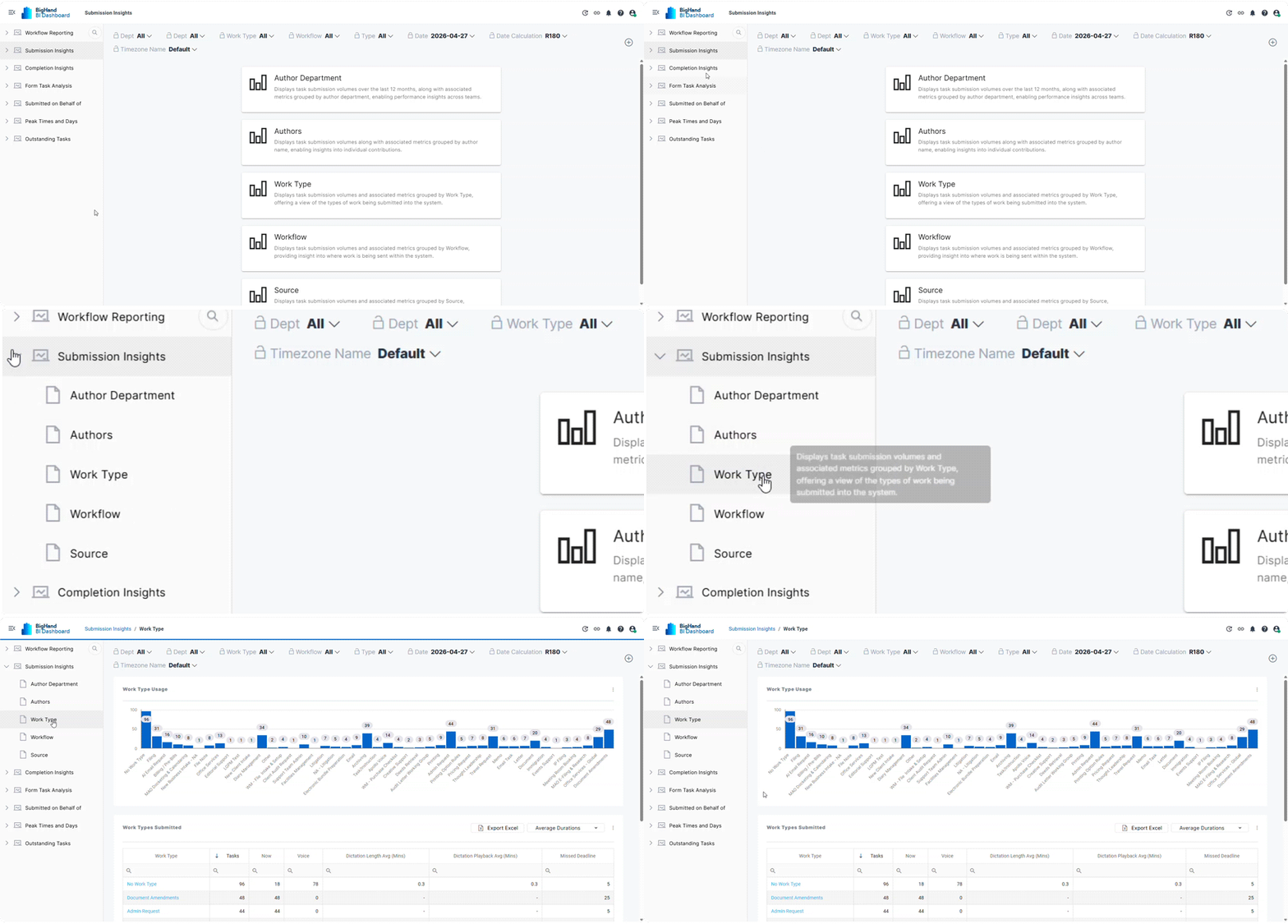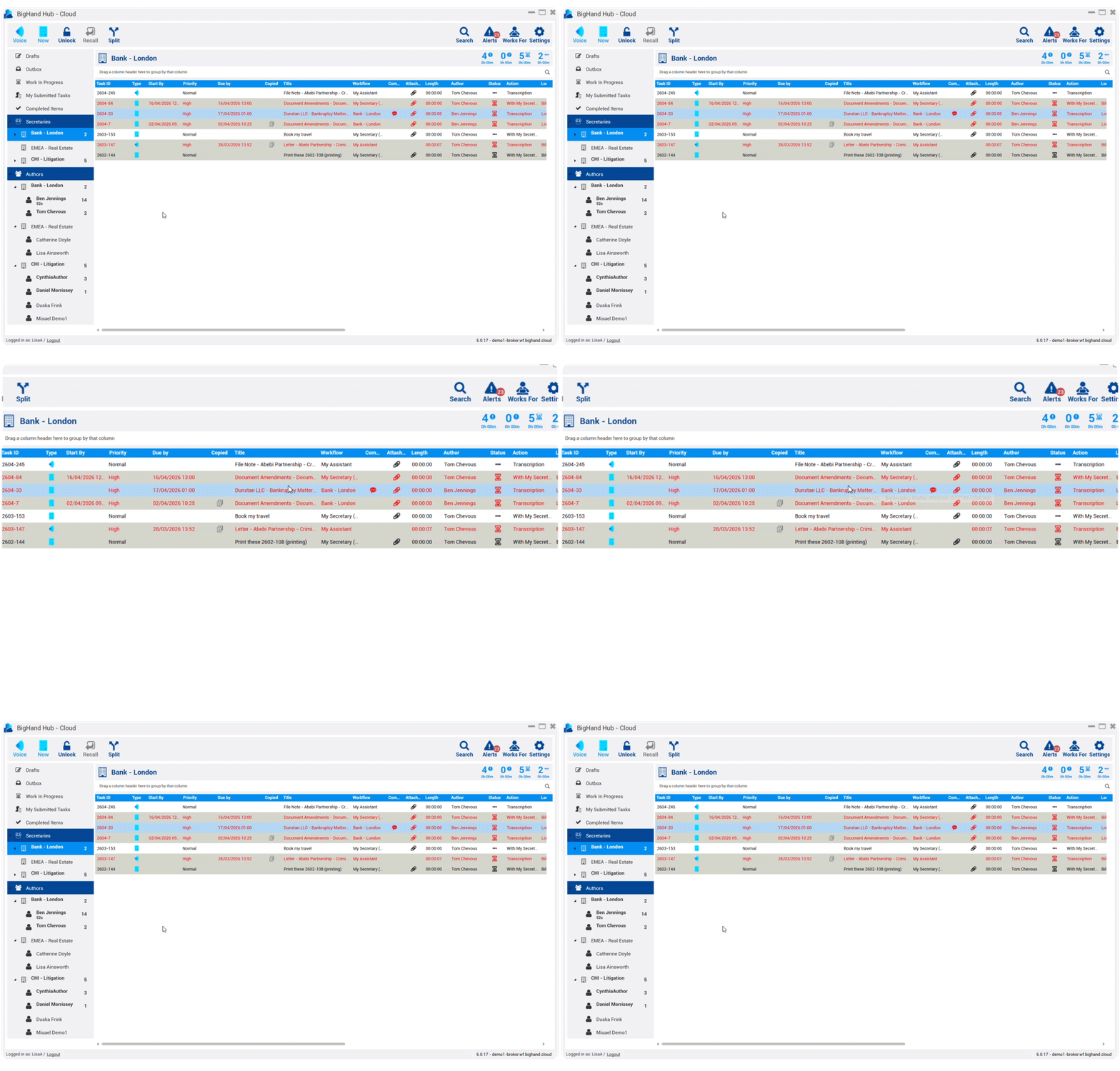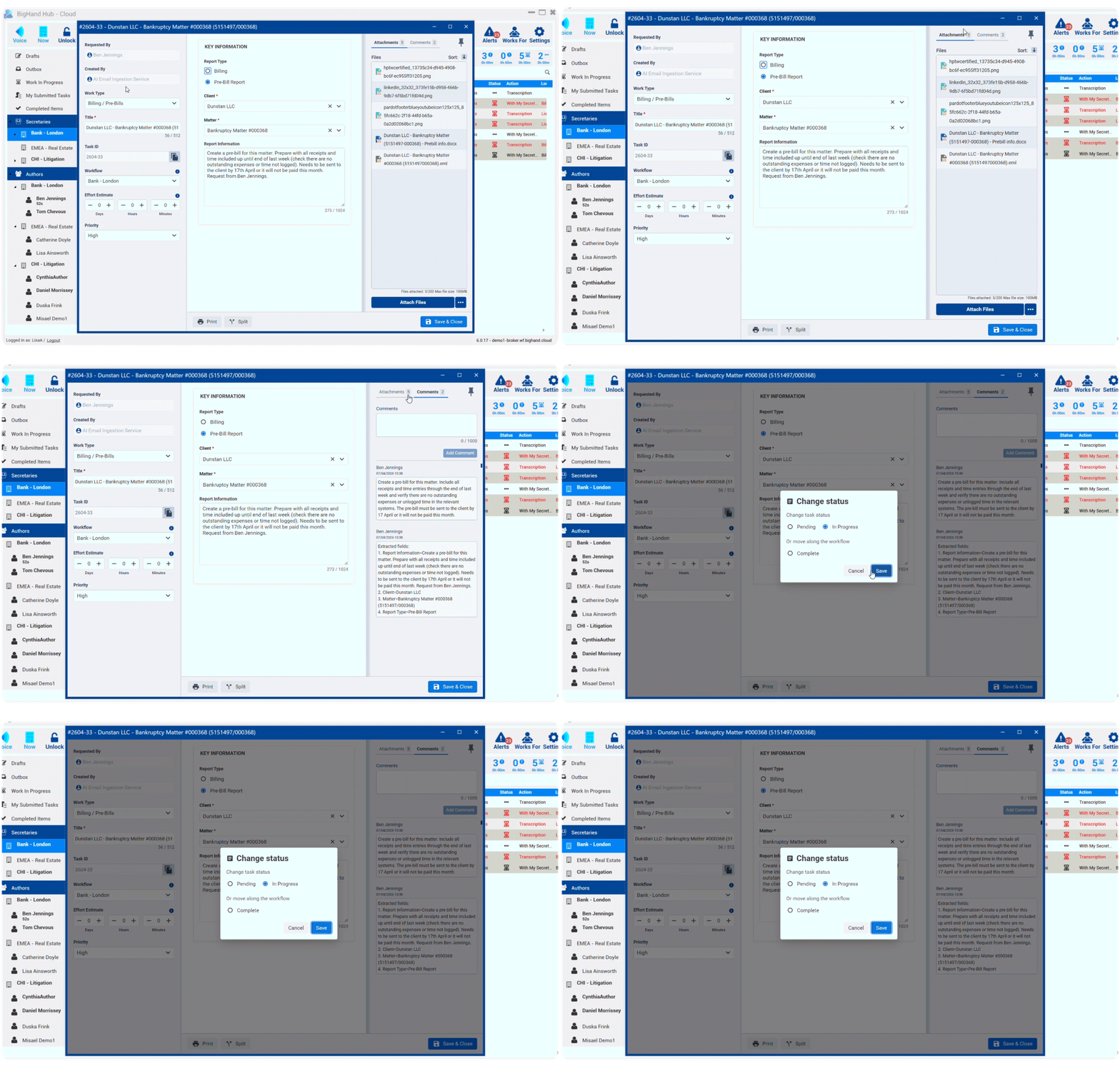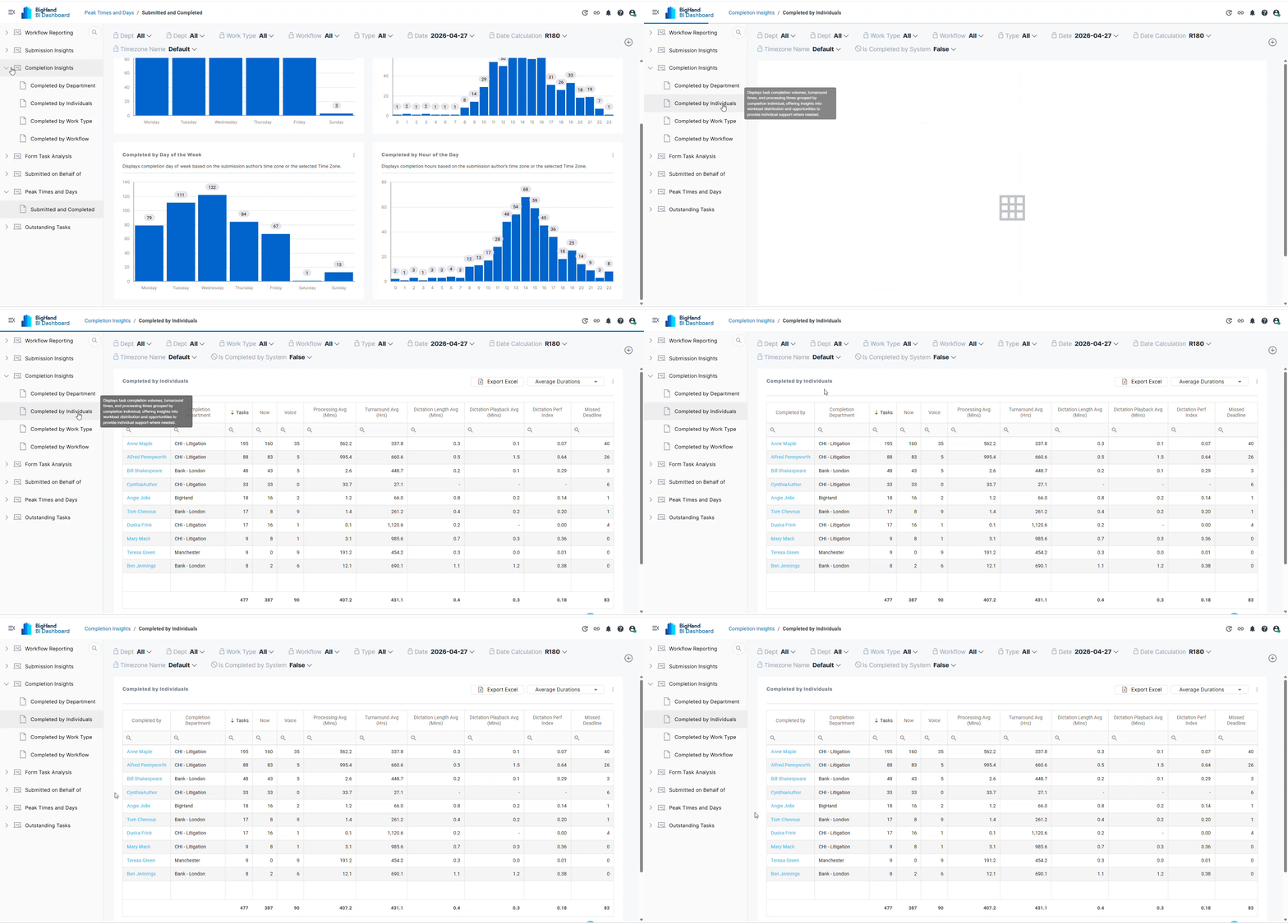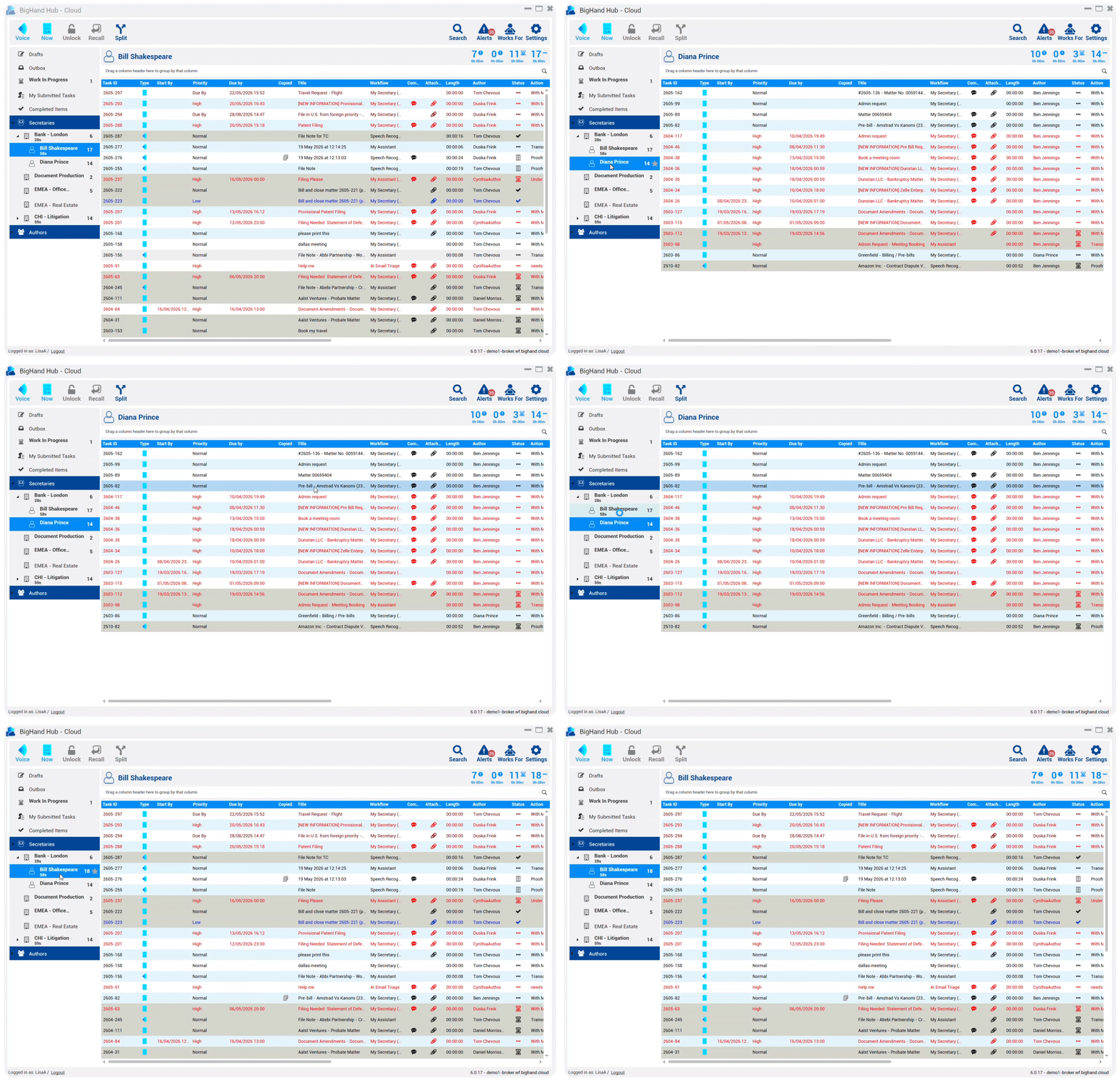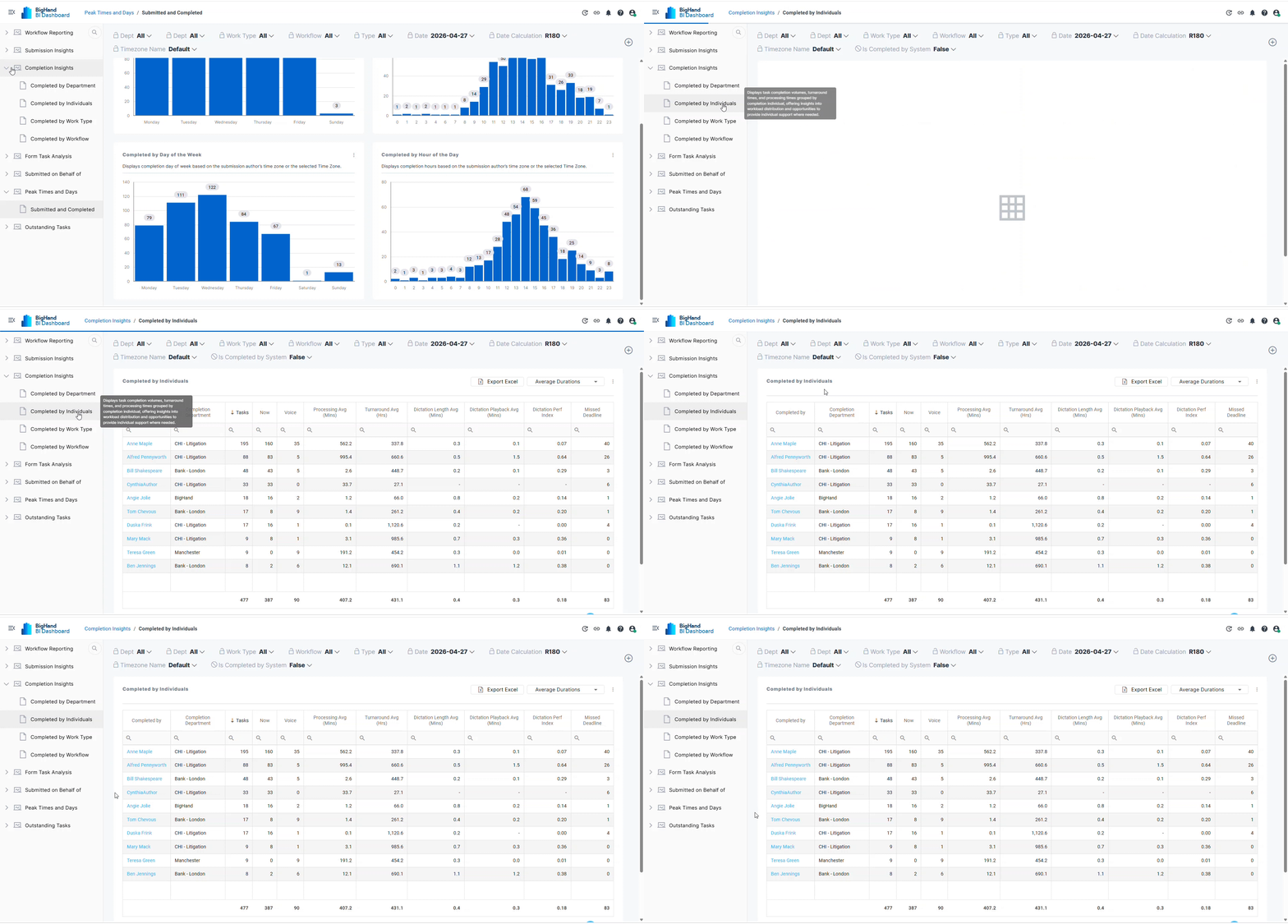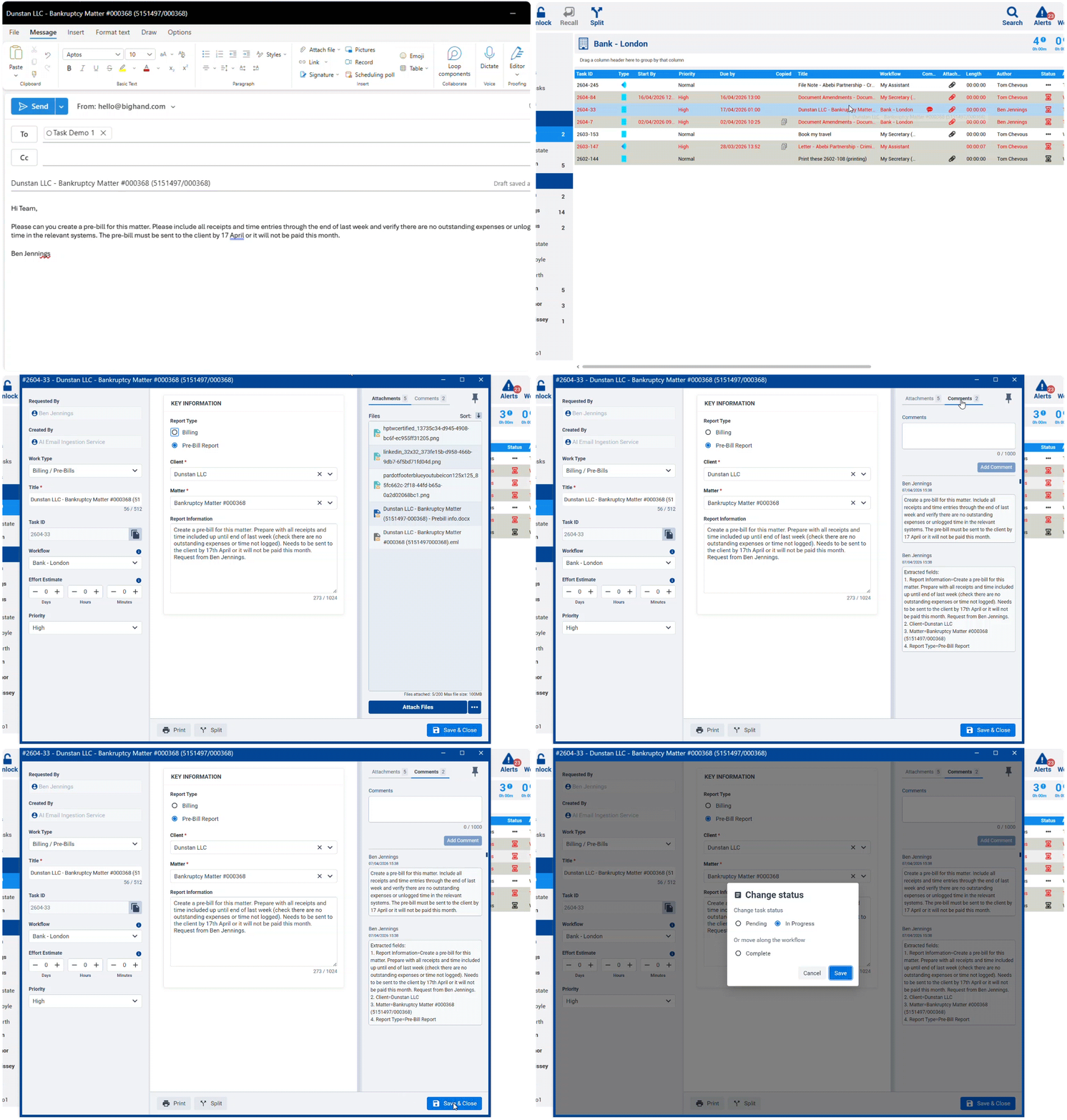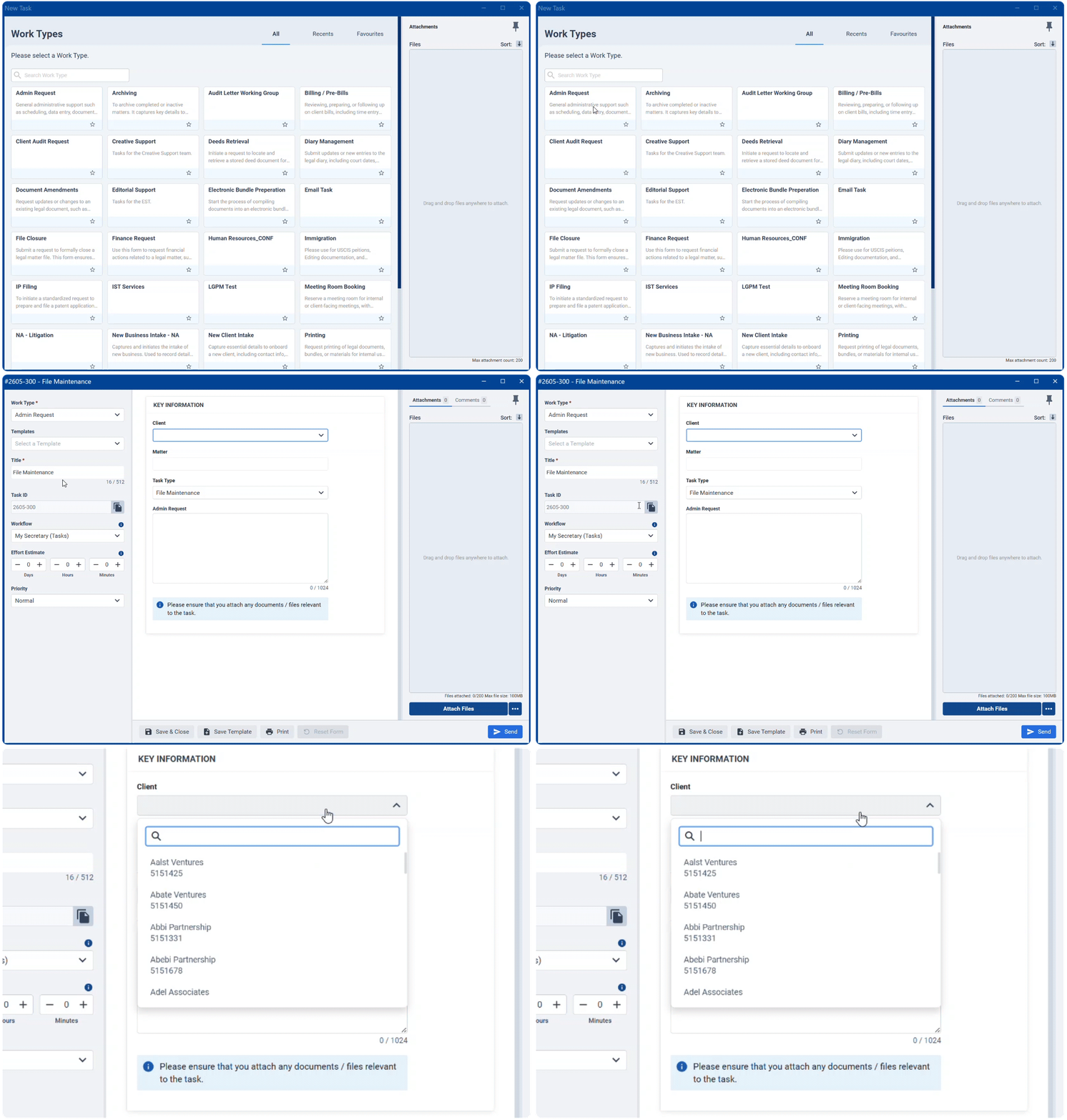







Support work still moves through many law firms via shared inboxes and manual delegation, creating bottlenecks that slow client service and leak margin. BigHand Workflow Management brings intelligence before allocation decisions, giving firms visibility into demand, capacity, and cost to automatically route work to the right resource.
See how BigHand Workflow Management works for operations leadership, support teams, and lawyers.
BigHand Workflow Management brings intelligence into legal support operations before work is allocated, helping firms improve performance, protect lawyer time, and deliver greater client value.

Profitability protected
Lawyer hours are protected from admin and redirected to billable client work.

Client value grown
Faster turnaround on support tasks means quicker response to clients.

Performance unlocked
Allocate with live intelligence for sustained performance.
 AI Email Routing  Intelligent Task Routing  Configurable Task Forms  Task Locking  Cross-Team Work Sharing  Automatic Time Recording  Live Task Tracking |
 Process & Utilization Reporting  Capacity Management Dashboard  Service Model Analytics  Digital Dictation  Mobile & Desktop Submission  Audit Trail and Governance |
Real results from firms using BigHand Workflow Management to improve support delivery and protect billable time.
reduction in turnaround time on support tasks.
reduction in transcription time.
saved per fee earner per year by routing support work through the system.
Law firms use BigHand Workflow Management to bring intelligence into support work allocation and execution, improving visibility, consistency and delivery across support services.

Barry Nilsson optimizes workflows and enhances client service by migrating to BigHand Workflow Management Cloud, as the firm experienced rapid growth.

Charles Russell Speechlys replaces manual task delegation with BigHand Workflow Management, cutting average turnaround time from 99 hours to 18, while unifying support functions across the firm.

Dickinson Wright uses BigHand Workflow Management to centralize back-office operations and build resilience against rising support staff attrition.

Holland & Hart uses BigHand Workflow Management to bring visibility and structure to task delegation across lawyers and legal assistants.
Barry Nilsson optimizes workflows and enhances client service by migrating to BigHand Workflow Management Cloud, as the firm experienced rapid growth.
Charles Russell Speechlys replaces manual task delegation with BigHand Workflow Management, cutting average turnaround time from 99 hours to 18, while unifying support functions across the firm.
Dickinson Wright uses BigHand Workflow Management to centralize back-office operations and build resilience against rising support staff attrition.
Holland & Hart uses BigHand Workflow Management to bring visibility and structure to task delegation across lawyers and legal assistants.
BigHand’s award-winning workflow software |
  |


Legal Workflow Management is the process of routing support work from lawyers to the right person, team, or location, then tracking it through to completion. Instead of requests scattered across inboxes, shared mailboxes, and verbal asks, tasks are captured once, assigned by rules the firm sets, and visible to everyone involved.
BigHand Workflow Management gives lawyers, secretaries, administrators, and support managers one place to delegate, prioritize, and measure that work. Firms gain intelligence before allocation decisions, so each task reaches the most suitable resource at the right level and cost.
Workflow Management improves efficiency by replacing informal delegation with structured, trackable tasks. Requests arrive complete, reach the right person the first time, and show their status to everyone involved, so no one spends time chasing or re-explaining. Work can be shared across teams and offices to balance peaks, and managers see backlogs as they build.
BigHand Workflow Management clients have reported an 82% reduction in turnaround time on support tasks and 81 saved hours per lawyer per year, protecting profitability by returning time to billable work.
Workflow Management routes and tracks support tasks between people, while matter management organizes the information, documents, and progress of individual matters.
Where matter management shows what is happening on a matter, BigHand Workflow Management answers who is doing which task, in what order, and by when. Many firms use both because they solve different problems. Matter management tools are not usually designed to show how much support work lawyers request, who completes it, or how long it takes. BigHand Workflow Management fills that gap, giving operations leaders full visibility of demand, capacity, and turnaround across the support function.
Law firms should look for workflow software that makes delegation simple for lawyers, because adoption decides the return. Key capabilities include configurable task forms, intelligent routing to the right resource, live task tracking, work sharing across teams, an audit trail, and reporting on volumes, turnaround, and capacity. It should work the way lawyers already delegate, such as email, dictation, and mobile devices.
BigHand Workflow Management offers these capabilities, including Process Reporting and a Capacity Management Dashboard. The right choice gives leaders reliable data to plan support, not only a task list.
Workflow automation benefits law firms by removing manual steps from delegating and tracking support work. Tasks are routed by firm-defined rules, forms capture the right details up front, and time can be recorded automatically as work is completed.
BigHand Workflow Management also offers AI Email Routing, which automatically turns emails into support tasks, so lawyers keep working the way they prefer while the system handles categorizing and routing. Automation sits alongside people rather than replacing them. Secretaries and support teams spend less time triaging and more time on higher-value work. Firms gain consistent, auditable processes and data for firm-wide analysis and decision-making.
Workflow Management gives legal support teams one prioritized list of incoming work instead of requests scattered across inboxes and conversations. Tasks arrive with the details needed to complete them, ownership is clear, and an audit trail shows what was done and by whom.
BigHand Workflow Management lets firms share work across a team, office, or centralized group, building resilience for peaks, absences, and holidays. Secretaries, assistants, and administrators can demonstrate their contribution through reporting, while managers can see volumes, capacity, and turnaround for better workforce planning.
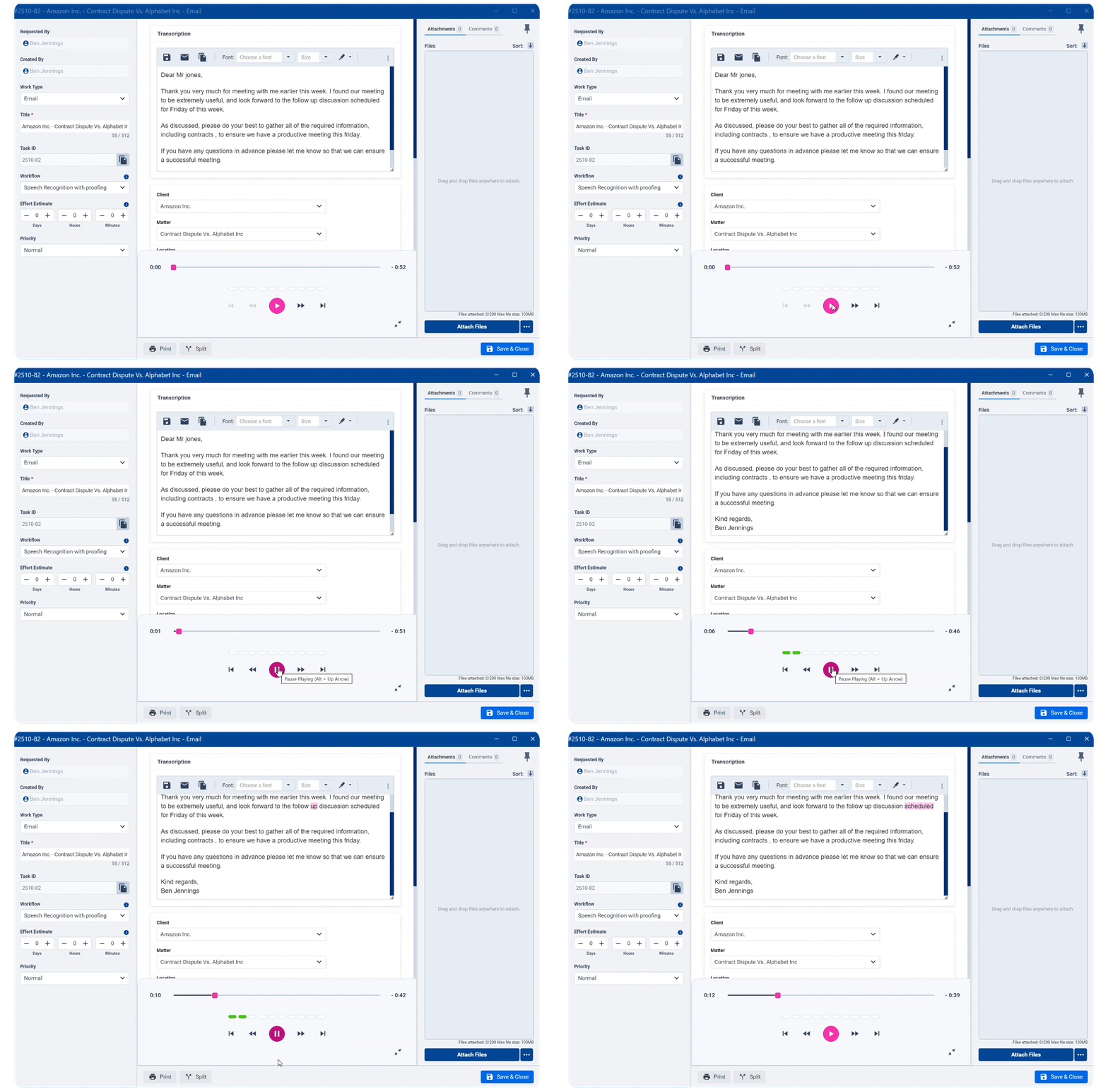
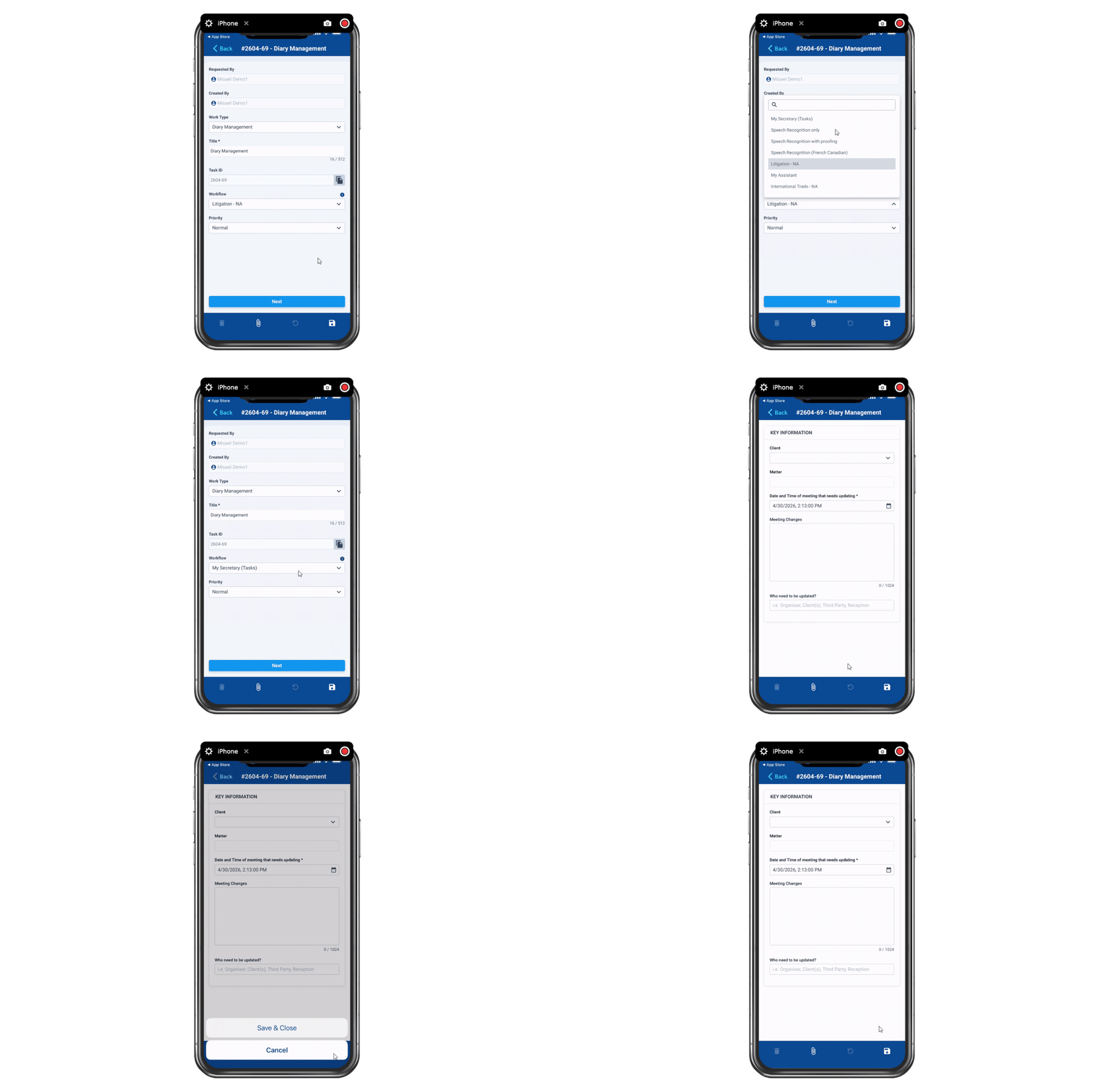
Lawyers delegate work in a Workflow Management system through email, a task form, dictation, or a mobile app, and the system routes each request to the right person.
With BigHand Workflow Management, AI Email Routing turns an email into a structured task, so lawyers who prefer email avoid filling out forms. Configurable task forms on desktop and mobile, plus Digital Dictation, feed the same list. Lawyers keep delegating the way they prefer, support teams receive complete requests, and clients receive more value through faster responses.
BigHand Workflow Management integrates with legal systems through document management, email, identity, and API connections, linking the places lawyers already work with the systems firms already run. Integrations include:
Document management: iManage and NetDocuments, so documents attach to tasks without switching applications.
Email: Email Providers/Servers, where AI Email Routing converts emails into support tasks directly from the inbox.
Identity: Microsoft Entra ID for user provisioning and single sign-on.
APIs: The Workflow API connects other internal systems, such as practice management and billing.
Lawyers keep working with the tools they know, while leaders gain visibility of demand across the whole support function. That supports adoption, because the technology fits around how people already work.
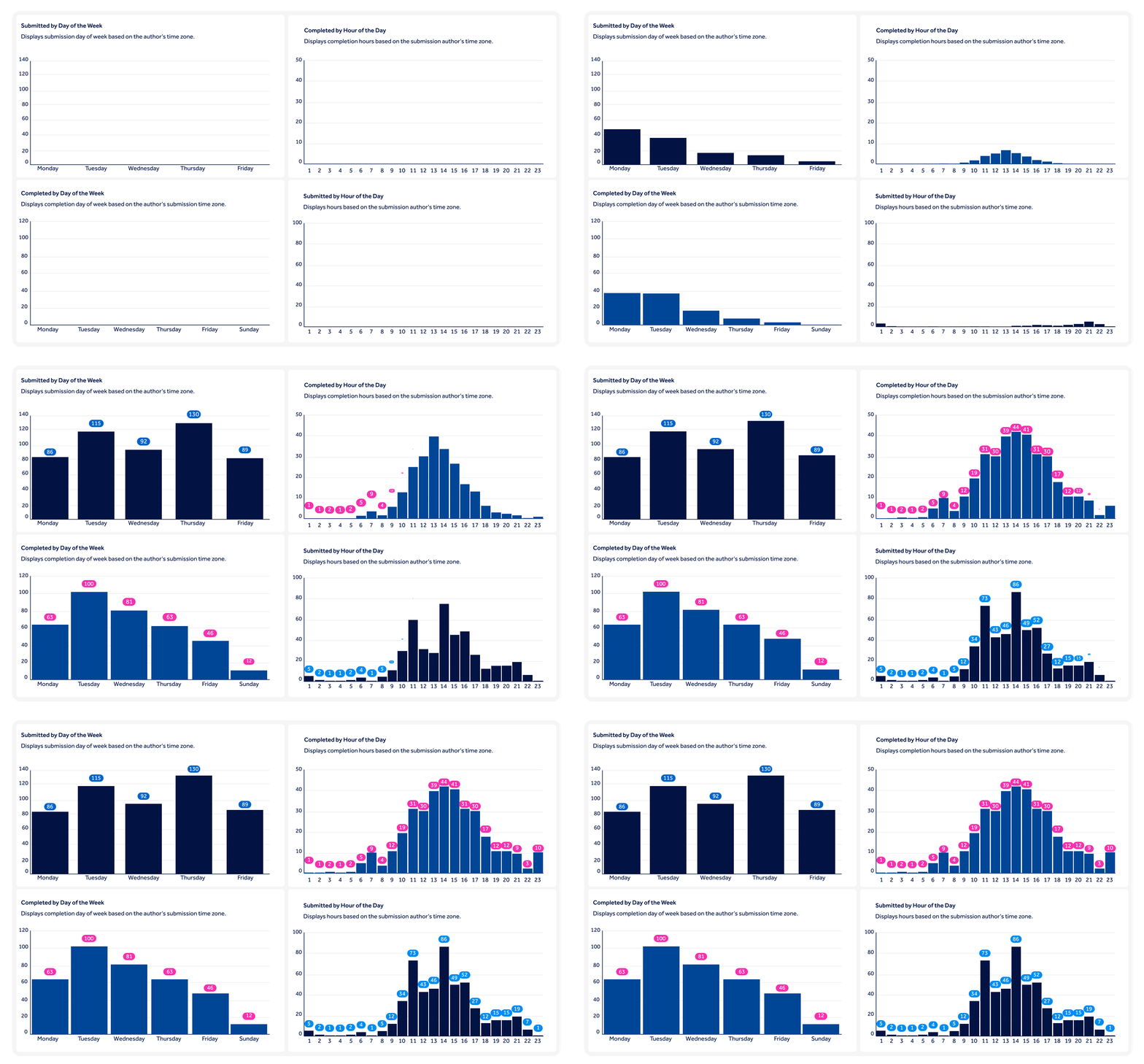
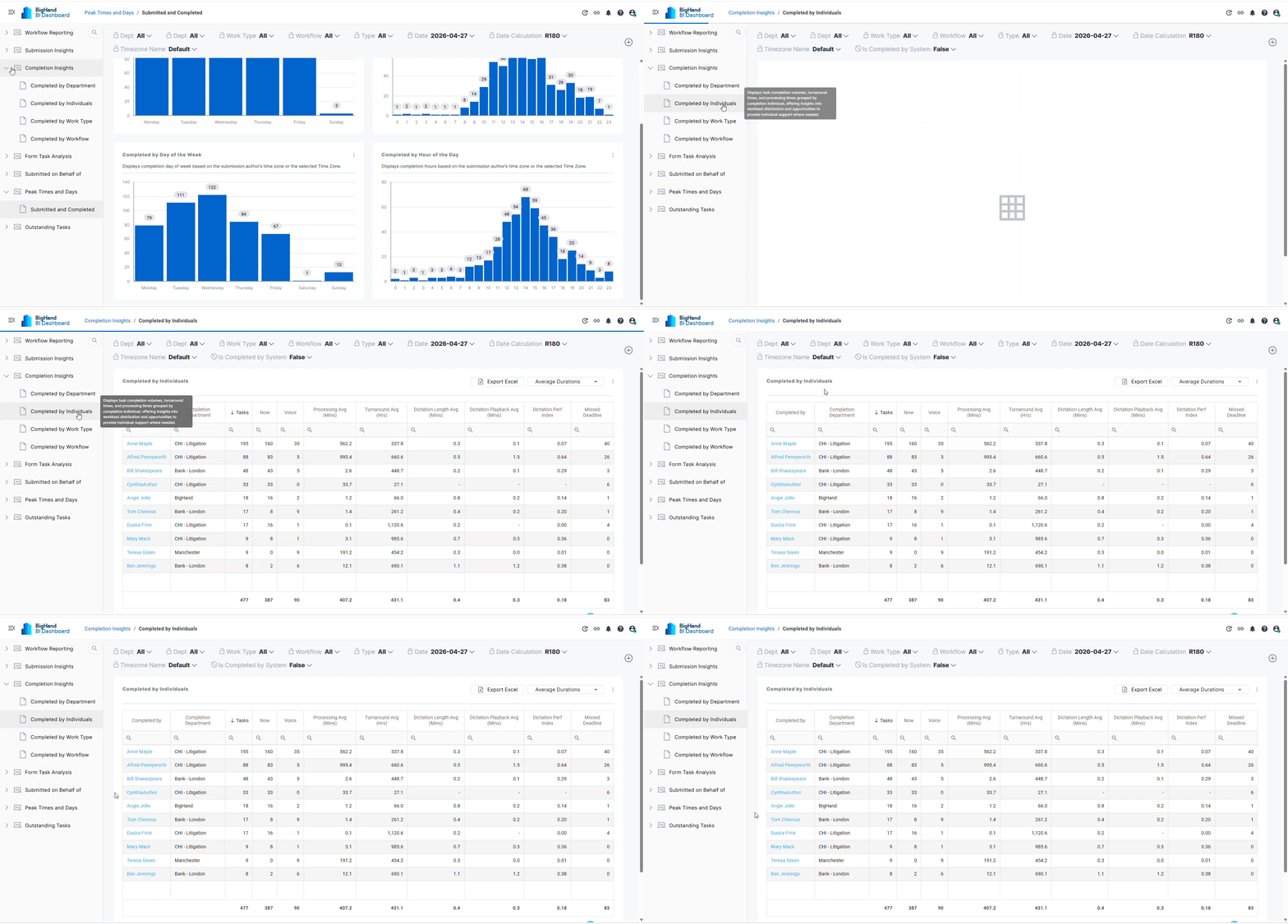
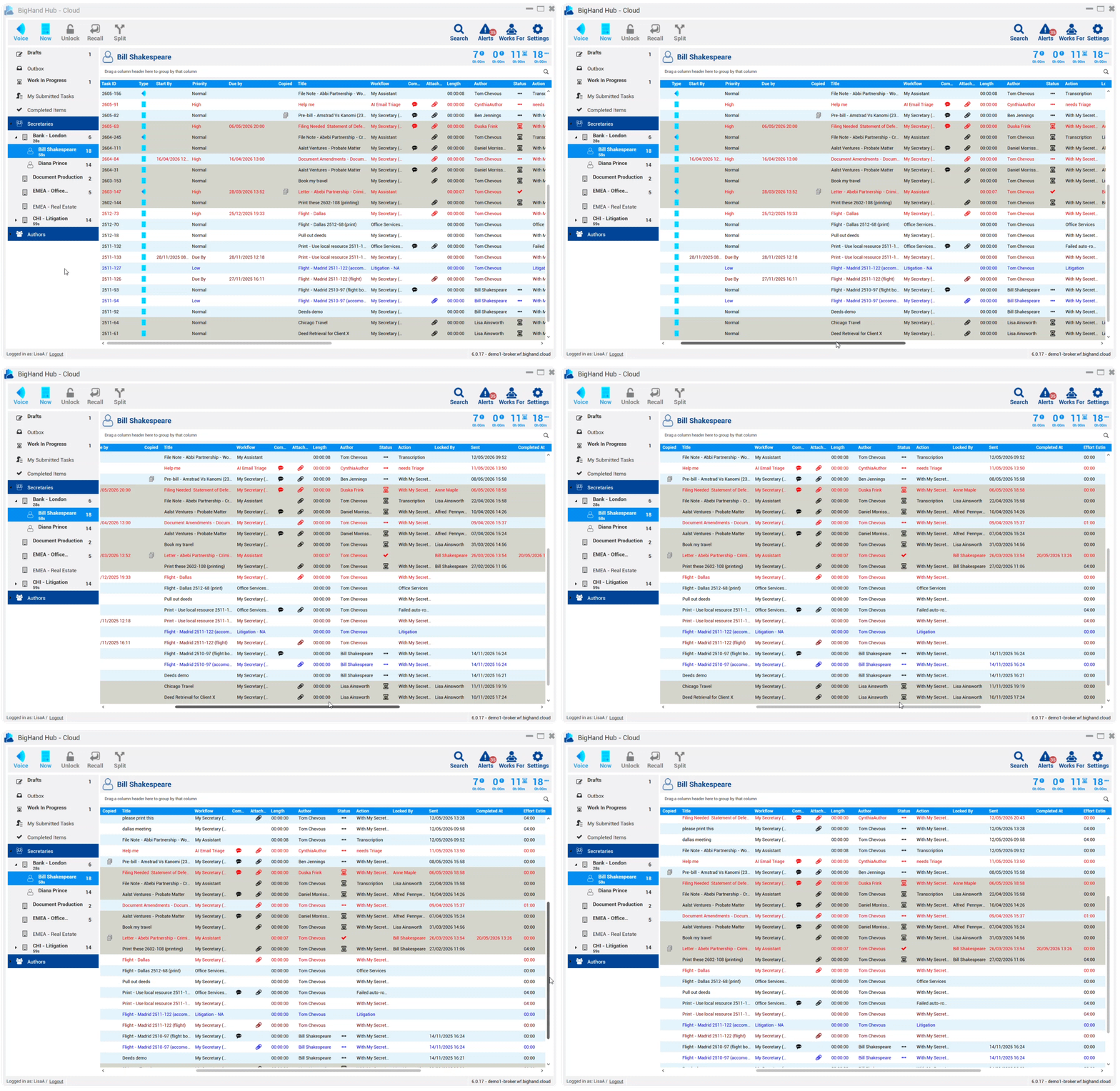
Workflow Management improves visibility and reporting by turning hidden support requests into measurable data. When delegation happens through email and conversation, management cannot see what was requested, who completed it, or how long it took. With Workflow Management, managers see live backlogs and workloads.
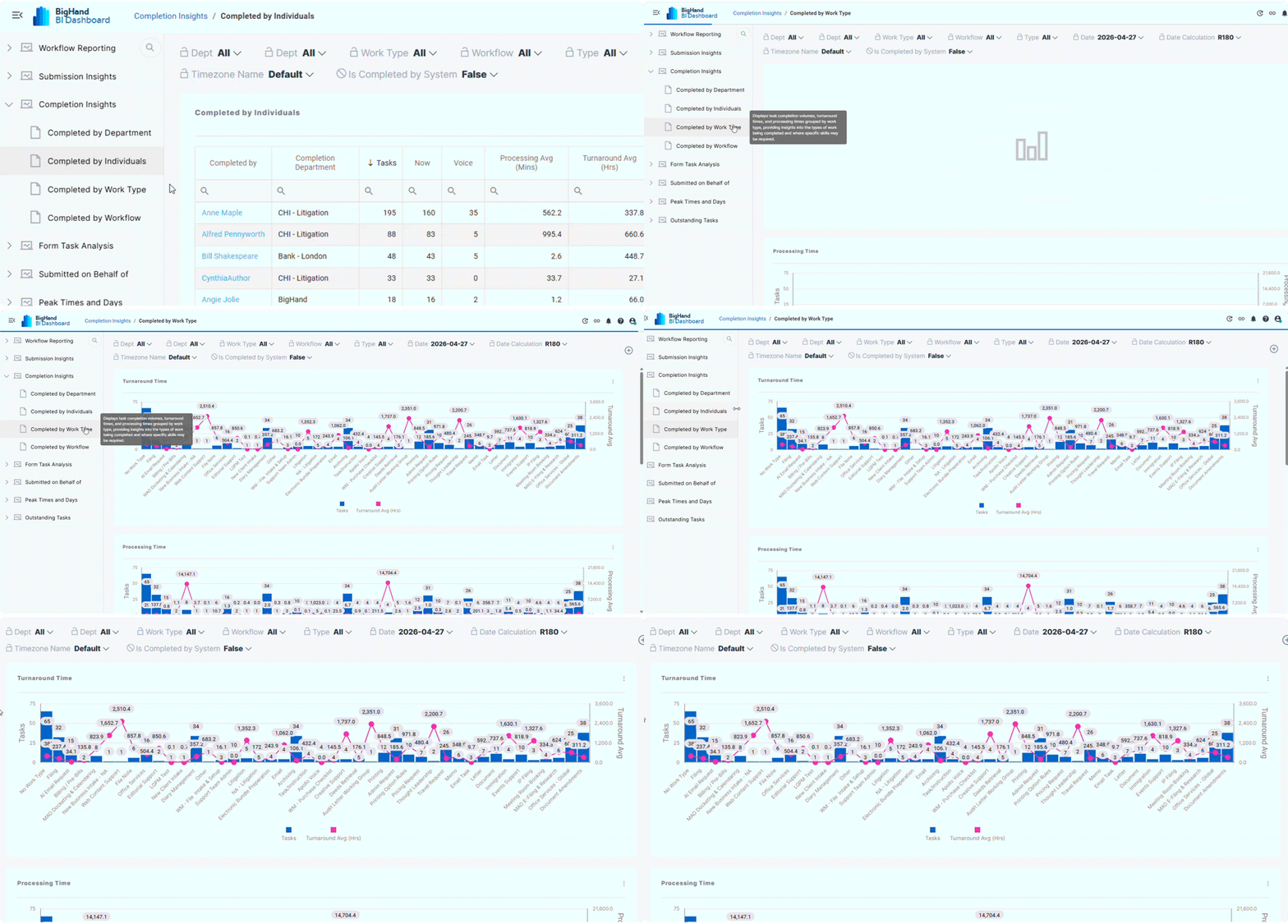
BigHand Workflow Management’s Process Reporting shows task volumes, turnaround, and resource use across teams and work types, with an audit trail for each task. Leaders gain intelligence before the point of decision, so staffing and service model choices rest on evidence rather than instinct.
Workflow Management helps firms cope with the shortage of experienced legal secretaries by directing each task to the most suitable resource, so scarce expertise goes to work that needs it. Routine tasks can move to administrators or shared teams, while secretaries focus on higher-value work for their lawyers.
BigHand Workflow Management’s reporting shows true demand, giving leaders forward visibility of support capacity, and Service Model Analytics lets firms test centralized, direct, local, and hybrid support models before changing structure. Sharing work across a team also builds resilience when experienced secretaries retire or leave.


© 2026 BigHand. All Rights Reserved. Various trademarks held by their respective owners.