
“Being bold doesn't mean being reckless. It means being deliberate, informed, and aligned to purpose.”

Tell us about yourself and your biggest focus right now 

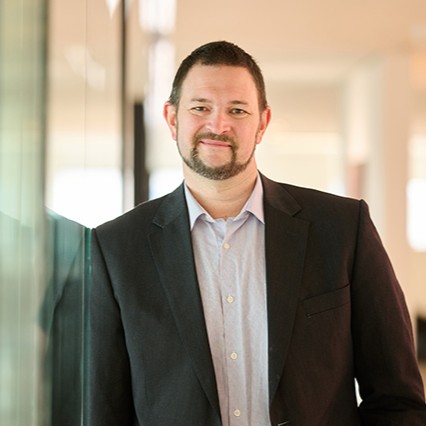
My name’s Bill Tanner, Chief Information Officer at Allens. My focus is on amplifying how we deliver value to clients through digital transformation, ensuring our technology, data, and AI programs enhance efficiency, clarity, and confidence in every client interaction.  

What is the one behavior or mindset you believe most determines long-term success in a law firm? 

One of our firm’s values I connect with most is ‘In it together.’ I truly believe that success comes from a shared sense of purpose and collective ownership. When we’re in it together, we support each other and celebrate shared success, and that’s what drives sustainable change across the firm.

What's the boldest change you've championed, and what did you learn from it? 

Our cloud journey stands out. Many firms are on this path. What’s distinctive about ours is the focus on client value and business use cases, rather than technology for its own sake. 

We made a conscious decision to be early adopters of solutions where it makes sense, not just followers. That’s bold in a profession that values precedent. 

By moving early, we’ve improved agility and responsiveness, enabling our people to deliver clarity and confidence to clients faster. 

The key learning? Being bold doesn’t mean being reckless. It means being deliberate, informed, and aligned to purpose. The benchmark isn’t what others have done. It’s the value we deliver for our clients and our firm. 

"They say law firms are slow to change. I think that’s wrong."

How do you encourage your team to think more boldly? 

It starts with empathy and context. You need to understand where people are coming from: their experiences, their client responsibilities, and the trust clients place in them. 

We connect every initiative to client outcomes and make sure everyone understands the why behind the work. When people see how change improves client experience and helps them do their jobs more effectively, they’re more open to it.  

We still do things in a measured way. It’s not risk for risk’s sake. It’s risk for a clear outcome, and we keep landing the value proposition, project by project, building credibility over time. We also foster a culture of curiosity, encouraging experimentation, learning from outcomes, and sharing insights across teams. 

What is the biggest shift law firms need to make in the next three years? 

Data management and governance. For years, we’ve said data is the new oil, but it’s also one of our biggest risks. The real opportunity lies in data quality, structure, and trust. 

At Allens, we’re uplifting our data governance and platforms to ensure reliable, well-structured data underpins decision-making and client delivery. For example, we’ve enhanced our management systems for firm precedents and knowledge collections, embedding richer metadata and cleaner processes. That gives us greater confidence in the data we use, improving findability, automation, and client outcomes.  

With all that’s been going on with AI, we need good, clean, structured data to train and leverage automated systems that will amplify expertise across the firm. 

In the era of automation and AI, the real differentiator is getting the data right. 

What's one widely held belief in the legal industry that you think is wrong or outdated?

That law firms are slow to change. I think that’s wrong. 

With modern SaaS solutions, strong governance, and a willingness to experiment, firms like ours are moving faster and more confidently than ever. Technology has become an enabler of agility, empowering lawyers to deliver advice with greater clarity and precision. 

Part of what we do is build client trust that we are doing it in the right way. We have even run client experiments with emerging technologies when outcomes aren’t guaranteed, testing, learning, and iterating together. That’s not risk aversion; it’s responsible innovation. 

Every day, we see clients who are open to exploring new ways of working. The real unlock is building relationships with stakeholders and having the conversation about what’s possible, together. 

"Help people build new habits that elevate the value they deliver."

How are you using data and AI to reshape how your people work? 

We try to free up time for high-value thinking and deeper client connection. One of the pillars of our data strategy is that we need to deliver valuable insights, not just an insight for insight’s sake. Something you can take action on. 

A dashboard only earns its keep when it helps people do their job better. When you automate a process, it’s not about taking something away or replacing expertise. It should amplify it. We’re building digital capability across teams so our people have the confidence and skills to use these tools effectively and responsibly. 

What's one piece of advice for the next generation of legal leaders? 

Connect the change to the business outcome and clearly communicate the why. People experience change differently depending on their role, workload, or personal circumstances. So leaders need to empathize, communicate, and support their teams through those transitions. 

Help people build new habits that elevate the value they deliver. 

Effective digital leadership is about staying curious, open to continuous learning, and helping others see what’s possible. 

Describe your role in one word. What does that word mean to you?

Enabler.  

My role is about empowering our people and clients through technology, data, and AI. I love bringing the best out of people and creating the conditions for success, enabling innovation, amplifying expertise, and delivering clarity and confidence in how we work and serve our clients.  

I’m not the one with hands on the tools. It’s the team that is actually doing the job. I love being the connector who helps across the organization. 

To be an effective CIO, you need to think about the T-shape: deep knowledge in certain subjects, and enough breadth across the whole business to connect the dots. I work closely with the teams that partner with our practice groups, which helps me connect people and expertise across the firm. 

The best conversations happen when everyone can be open about what they do and don’t know. I don’t expect colleagues to know my depth in technology, any more than they’d expect me to know theirs in a practice area. That’s exactly why collaboration matters. 

So, this T-shape means having enough breadth to help connect the dots and enable people, and enough depth to guide the conversation in different directions. 

"The best conversations happen when everyone can be open about what they do and don’t know."

More stories,
more inspiration


cyan Arrow

Read more interviews